Home remodeling projects often focus heavily on interior upgrades, with homeowners prioritizing new flooring, modern kitchens, updated bathrooms, and improved living spaces. While these enhancements can significantly increase comfort and aesthetic appeal, many property owners underestimate the importance of evaluating exterior components during the renovation process. Ignoring these critical elements can lead to unexpected expenses, structural complications, and long-term maintenance issues that diminish the value of the investment. A remodeling project should be viewed as a comprehensive improvement strategy rather than a collection of isolated upgrades, making exterior assessments an essential part of the planning process.
Overlooked Exterior Issues Can Lead to Costly Repairs
One of the most common mistakes during remodeling is failing to inspect the condition of roofing systems, siding, gutters, drainage structures, windows, and exterior entry points. These components serve as the first line of defense against weather, moisture, and environmental damage. If a homeowner invests heavily in interior renovations while overlooking deteriorating exterior materials, problems such as leaks, mold growth, water intrusion, and insulation failures may eventually compromise the newly remodeled spaces. In many cases, correcting these issues after the renovation is completed costs substantially more than addressing them during the initial construction phase. Contractors often emphasize preventative maintenance because it helps identify vulnerabilities before they become expensive emergencies.
Exterior Components Affect Long-Term Property Performance
The condition of a home's exterior has a direct impact on energy efficiency, durability, and overall building performance. Aging windows, damaged weather seals, and worn exterior doors can contribute to air leaks that increase heating and cooling expenses. Similarly, neglected drainage systems can cause water to accumulate around foundations, potentially resulting in settlement issues and structural deterioration over time. Even features that may seem unrelated to a remodeling project, such as garage doors, play a role in protecting the building envelope and maintaining energy efficiency. Homeowners who work with specialists such as Gecko Garage Doors often discover that properly functioning exterior systems can complement broader renovation goals by enhancing security, insulation, and curb appeal.
The Impact on Property Value and Curb Appeal
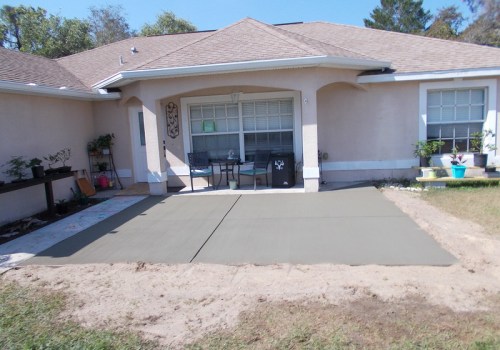
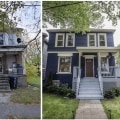
Another hidden cost of neglecting exterior components is the potential reduction in property value. Real estate professionals consistently note that buyers form opinions about a home before stepping inside. A beautifully renovated interior may lose its impact if the exterior appears outdated or poorly maintained. Cracked driveways, peeling paint, damaged trim, and aging doors can create concerns about deferred maintenance, causing prospective buyers to question the overall condition of the property. In competitive housing markets, these visual cues can influence negotiations and ultimately affect resale prices. Investing in exterior improvements alongside interior remodeling helps create a cohesive appearance that strengthens marketability and enhances first impressions.
Taking a Holistic Approach to Remodeling
Successful remodeling projects consider the home as an interconnected system where every component contributes to performance, protection, and value. Rather than focusing exclusively on interior upgrades, homeowners should allocate part of their budget toward evaluating exterior structures and identifying areas that may require attention. A thorough inspection before construction begins can reveal hidden concerns and allow repairs to be integrated into the project timeline. This proactive approach not only helps prevent costly surprises but also ensures that newly renovated interiors remain protected for years to come. By recognizing the importance of exterior components, homeowners can maximize the return on their remodeling investment while improving both the appearance and functionality of their property.