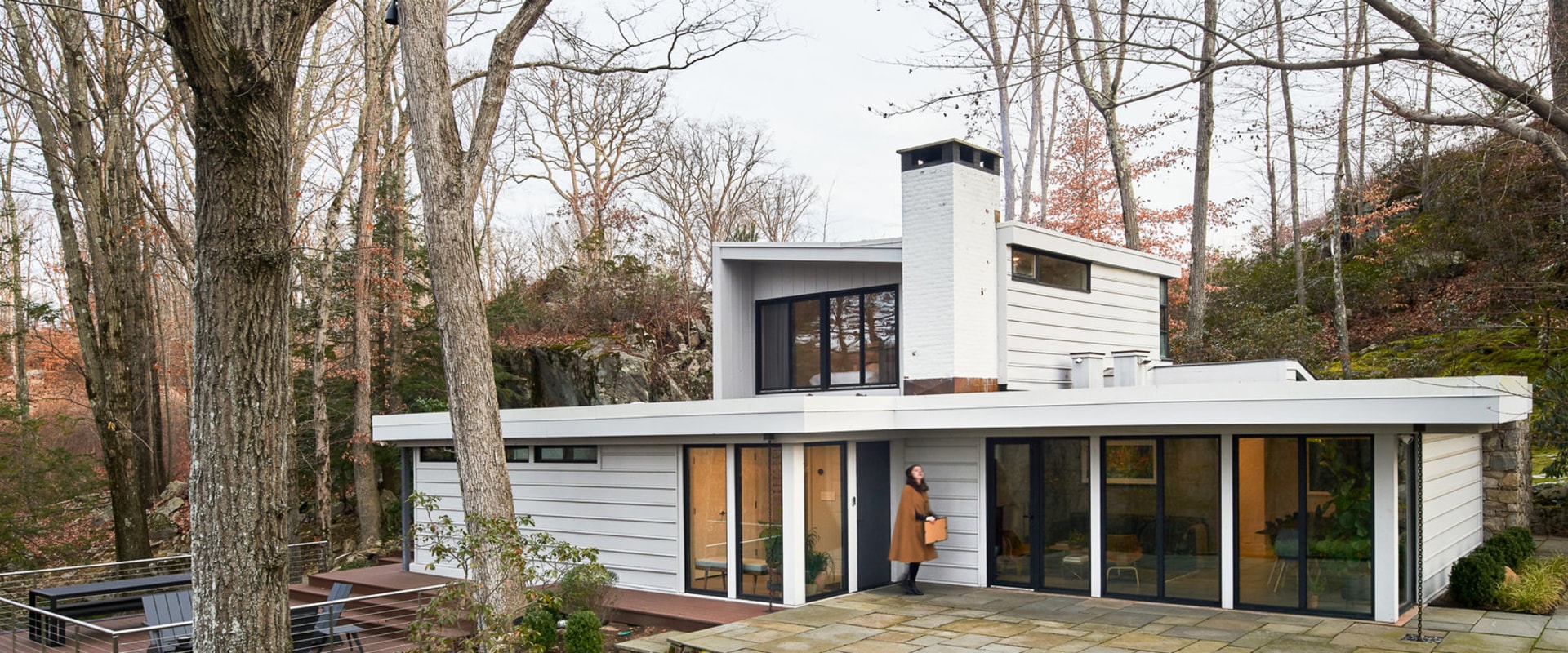
Home renovation has become one of the most dynamic sectors in real estate and construction. Whether homeowners are remodeling for comfort, sustainability, or resale value, the economics of renovation go far beyond paint colors and new countertops. Modern renovations reflect broader financial, social, and environmental shifts — from rising material costs to changing homeowner priorities. Understanding what drives renovation budgets today reveals a more complex picture: one where design trends meet global supply chains, labor markets, and the quest for long-term return on investment.
Materials, Labor, and Market Realities
At the core of any renovation budget are materials and labor, both of which have seen significant cost fluctuations in recent years. Inflation, global shipping disruptions, and increased demand for high-quality, sustainable products have driven up prices for everything from lumber and steel to tiles and fixtures. Skilled tradespeople — electricians, carpenters, and plumbers — are in higher demand than ever, further pushing labor costs upward. Homeowners planning large-scale renovations must now factor in extended project timelines and the reality that unexpected expenses are no longer rare, but almost guaranteed. Budget flexibility and contingency planning have become essential tools in modern renovation management.
Return on Investment: Beyond the Numbers
While some upgrades clearly boost resale value — such as kitchen remodels, energy-efficient windows, or bathroom updates — others contribute more subtly by improving daily comfort and functionality. The real economics of renovation lie in balancing immediate costs with long-term gains. For example, investing in energy-efficient appliances or insulation can reduce utility bills for years to come. Likewise, aesthetic improvements, though intangible, can enhance quality of life and emotional well-being. Savvy homeowners treat renovation as a long-term investment rather than a short-term expense, ensuring their financial and lifestyle goals align with the project’s scope.
The Hidden Costs Few Expect
Even the most carefully planned renovation can reveal surprises once walls are opened or floors are pulled up. Hidden water damage, outdated wiring, or structural issues can dramatically alter budgets. Permits, inspections, and design revisions add additional layers of cost. These hidden expenses highlight the importance of working with reputable professionals and setting aside at least 10–20% of the total budget for contingencies. In addition, maintenance considerations after the renovation are often overlooked. Routine upkeep — from HVAC servicing to exterior cleaning by professionals like Pressure Washing Guys — helps protect a homeowner’s investment and ensures the longevity of improvements. Ongoing maintenance isn’t just about appearances; it’s about preserving the financial and structural integrity of the renovation itself.
The Psychology of Renovation Spending
There’s also a psychological side to renovation economics. Many homeowners underestimate the emotional toll of construction — the noise, the dust, the decision fatigue — all of which can influence financial decisions. The desire to “just finish” can lead to rushed choices or overspending on last-minute upgrades. Experienced project managers encourage homeowners to approach renovation like any major investment: with patience, discipline, and clear communication. Transparency with contractors and realistic budgeting prevent stress from turning into financial strain.
The Balance Between Dream and Discipline
In the end, the economics of modern home renovation come down to balance — balancing creativity with practicality, cost with value, and aesthetics with sustainability. A well-managed renovation doesn’t just beautify a space; it enhances a property’s efficiency, durability, and emotional impact. The smartest homeowners look beyond the price tag to see the bigger picture: a well-planned renovation isn’t merely an expense — it’s a foundation for long-term comfort, stability, and financial growth.