Home renovations often focus on visible upgrades such as new flooring, cabinetry, paint colors, and modern fixtures, but the true success of any remodeling project begins beneath the surface. Addressing structural repairs during a home renovation is essential to ensure the safety, longevity, and overall value of the property. Structural components—such as the foundation, load-bearing walls, beams, roof framing, and support columns—form the backbone of the home. If these elements are compromised, cosmetic improvements alone cannot provide lasting results. Renovating without first evaluating and repairing structural concerns may lead to recurring problems, costly fixes, and even safety hazards down the line. By prioritizing structural integrity at the beginning of the project, homeowners create a stable framework that supports every other design decision.
Preventing Escalating Damage and Costs
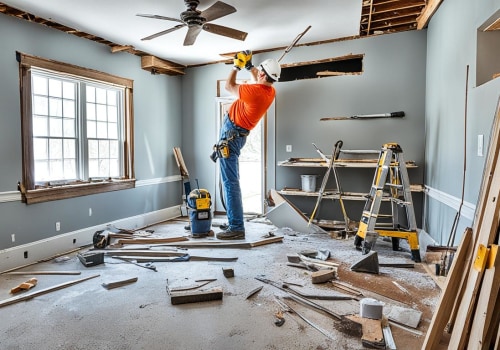
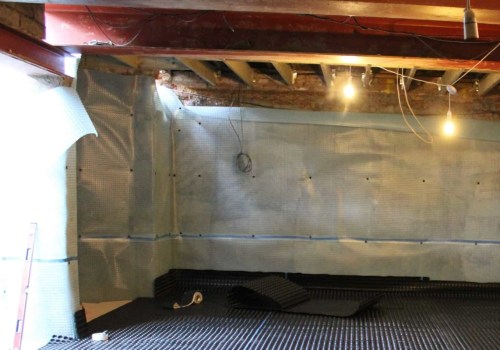
Ignoring structural issues during a renovation can significantly increase expenses over time. Small cracks in the foundation, minor roof sagging, or subtle signs of wood rot may seem manageable at first glance, but they often signal deeper problems that worsen if left untreated. Water intrusion, shifting soil, and aging materials can weaken structural systems and cause gradual deterioration. When walls and floors are already being opened during renovation, it presents the ideal opportunity to inspect hidden areas and correct issues before they escalate. Addressing repairs proactively not only prevents future disruptions but also eliminates the need to undo newly completed finishes later. This strategic approach saves both time and money while ensuring that investments in upgraded interiors are protected by a strong and secure structure.
Enhancing Safety and Building Code Compliance
Safety should always be the top priority in any remodeling effort. Structural repairs ensure that the home meets modern building codes and safety standards, particularly in older properties that may not have been constructed according to current regulations. Reinforcing beams, stabilizing foundations, and repairing compromised framing help reduce risks related to structural failure, uneven floors, or roof collapse. Additionally, renovations often involve reconfiguring layouts or removing walls to create open-concept designs. Before altering these elements, it is critical to confirm whether they are load-bearing and to implement proper reinforcements if needed. Overlooking this step can compromise the home’s stability and put occupants at risk. By integrating structural evaluations into the renovation plan, homeowners can move forward with confidence, knowing their property is secure.
Supporting Functional Systems and Exterior Components
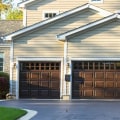
Structural stability also plays a vital role in supporting other essential systems within the home. Doors and windows, for example, rely on square and level framing to function correctly. When the structure shifts or settles unevenly, these components may stick, leak, or fail to seal properly. Even exterior features like garages can be affected by foundational movement or framing issues. Homeowners seeking services such as garage door repair in Rocklin may discover that underlying structural concerns contribute to operational problems. Addressing these foundational issues during a renovation ensures that mechanical systems, entry points, and exterior elements perform reliably and efficiently.
Protecting Long-Term Property Value
A well-executed renovation should increase both comfort and resale value, but visible upgrades cannot compensate for hidden structural deficiencies. Prospective buyers and home inspectors often identify structural concerns quickly, which can reduce property value or delay a sale. Investing in structural repairs during renovation demonstrates responsible homeownership and adds credibility to the overall project. It also enhances durability, ensuring that improvements stand the test of time. Ultimately, prioritizing structural integrity transforms a renovation from a temporary aesthetic update into a lasting investment. By addressing foundational issues first, homeowners build not only a more beautiful space but also a stronger, safer, and more valuable home for years to come.