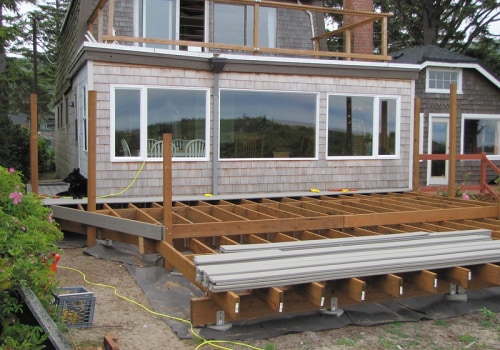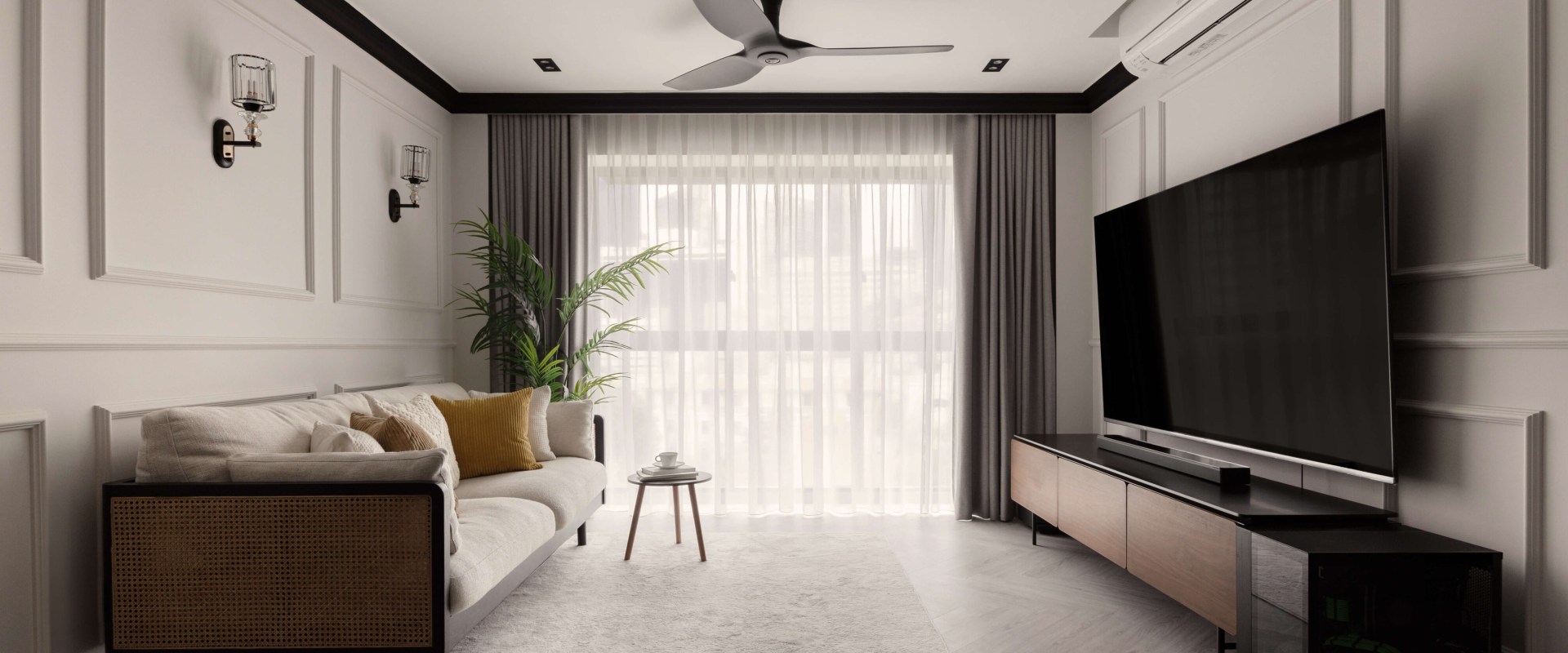
Home renovation is a process where imagination meets reality. Homeowners often begin with a clear design vision—updated aesthetics, improved flow, or modernized finishes—but turning those ideas into a finished space requires careful practical execution. Balancing creativity with logistics is what separates successful renovations from frustrating ones. Every decision must account for budget, structural limits, timelines, and existing conditions, ensuring that design goals remain achievable without compromising safety or functionality.
Translating Vision Into a Feasible Plan
The first step in balancing design and execution is translating inspiration into a workable plan. Design concepts, mood boards, and sketches help clarify what the homeowner wants, but they must be evaluated against the home’s current layout and construction. Walls may be load-bearing, plumbing routes may limit fixture placement, and electrical capacity may restrict lighting upgrades. A thoughtful renovation plan aligns the desired look with what the structure can support, adjusting details where necessary to preserve the overall vision while respecting physical realities.
Budget as a Design Tool, Not a Limitation
Budget is often viewed as a constraint, but in effective renovations it becomes a guiding tool. Clear financial planning helps prioritize where to invest and where to simplify. High-impact elements—such as cabinetry, flooring, or lighting—may warrant greater investment, while secondary features can be scaled back without diminishing the overall effect. Balancing design vision with budget realities ensures that resources are allocated strategically, reducing the risk of unfinished projects or last-minute compromises.
Coordinating Trades and Timelines
Practical execution depends heavily on coordination. Renovations involve multiple trades working in sequence, including demolition, framing, electrical, plumbing, and finishing. Each phase must be timed correctly to avoid delays or rework. Design choices influence this coordination; for example, selecting custom materials may extend lead times, while complex layouts can increase labor requirements. Successful renovation balances ambition with efficiency, ensuring that creative choices fit within realistic schedules.
The Role of Professional Oversight
Professional oversight plays a critical role in aligning design with execution. Experienced contractors help identify potential conflicts early, propose alternatives, and keep projects moving forward. Many homeowners begin their search by looking for "general contractor near me", seeking a professional who can manage details, communicate clearly, and coordinate trades effectively. This oversight ensures that design intent is protected while practical challenges are addressed proactively rather than reactively.
Adapting When Conditions Change
No renovation unfolds exactly as planned. Once walls are opened, unexpected conditions such as outdated wiring, hidden water damage, or structural issues may surface. Balancing vision and execution requires flexibility in these moments. Homeowners and professionals must decide whether to adjust the design, revise the scope, or reallocate the budget. The ability to adapt without losing sight of the original goals is a hallmark of successful renovation projects.
Materials, Performance, and Longevity
Design choices influence not only appearance but also performance and durability. Practical execution ensures that materials are installed correctly and suited to their environment. For example, selecting beautiful finishes that cannot withstand moisture, heat, or heavy use can lead to premature wear. Balancing aesthetics with performance ensures that renovated spaces remain functional and attractive long after the project is complete.
Communication as the Connecting Thread
Clear communication is essential throughout the renovation process. Designers, contractors, and homeowners must share expectations, review progress, and address concerns as they arise. Regular updates and transparent discussions help prevent misunderstandings and keep the project aligned with both vision and reality. When communication is strong, design intent and execution reinforce each other rather than competing.
Achieving Harmony Between Idea and Outcome
How home renovation balances design vision and practical execution ultimately comes down to alignment. Creative ideas provide direction, while practical planning provides structure. When both are given equal importance, renovations deliver spaces that are not only visually satisfying but also functional, durable, and well-executed. The most successful renovations honor inspiration while embracing the discipline required to bring it to life—resulting in homes that look beautiful and work seamlessly every day.