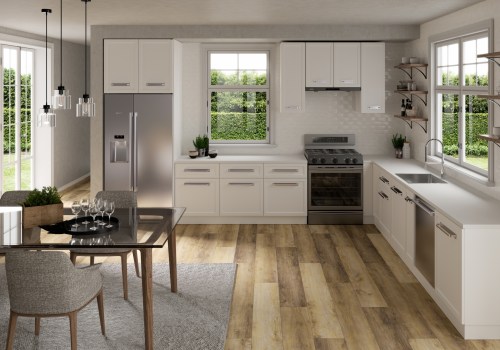
A successful home renovation is often associated with eye-catching finishes, stylish fixtures, and dramatic before-and-after transformations, but the reality is that the most impressive projects are built on thoughtful preparation long before demolition begins. Many homeowners become excited about selecting flooring, cabinetry, paint colors, or furniture layouts, yet overlook the strategic planning that determines whether a renovation stays on schedule and within budget. Establishing clear goals is one of the earliest and most valuable steps. Rather than focusing solely on aesthetics, homeowners benefit from identifying how each space should function for their current lifestyle and future needs. A growing family, remote work requirements, accessibility considerations, or plans to increase resale value can all influence renovation priorities. Defining these objectives early helps prevent costly design changes once construction has already started and provides contractors with a clearer roadmap throughout the project.
Why Preparation Makes the Biggest Difference
Another frequently overlooked planning step involves creating a realistic budget that accounts for more than visible construction costs. Many renovation projects encounter unexpected structural repairs, outdated wiring, plumbing upgrades, permit requirements, or material price fluctuations. Including a contingency fund provides financial flexibility without forcing homeowners to compromise on quality midway through the project. Equally important is developing a detailed project timeline that factors in product lead times, inspections, weather delays, and contractor availability. Even the highest-quality materials cannot prevent setbacks if essential components arrive weeks later than expected. Communication also plays a critical role during the planning phase. Homeowners should establish expectations regarding decision-making processes, progress updates, and change order procedures before work begins. This proactive communication reduces misunderstandings and allows potential issues to be addressed quickly instead of becoming expensive problems later. Collaborating with qualified professionals, including architects, designers, contractors, and Open Concept Engineering, ensures that both aesthetic goals and structural requirements are evaluated together rather than separately.
Small Details That Prevent Major Problems
Many renovation challenges originate from seemingly minor details that receive little attention during planning. Storage requirements, lighting placement, electrical outlet locations, HVAC airflow, and traffic patterns all influence how comfortable and functional a finished home will feel. Carefully evaluating these elements before construction begins often produces better long-term satisfaction than simply investing in premium finishes. Homeowners should also think beyond immediate needs by considering future maintenance, energy efficiency improvements, and adaptable spaces that can evolve with changing lifestyles. Reviewing local building regulations and permit requirements early can eliminate unnecessary project delays while ensuring compliance with safety standards. Documenting every design selection, material specification, and contractor agreement in writing provides an additional layer of protection and keeps everyone aligned throughout construction. Regular planning meetings before major milestones can identify concerns while adjustments remain relatively inexpensive, preventing rushed decisions that frequently lead to disappointment after completion.
Building Long-Term Value Through Careful Planning
Ultimately, successful home renovations are rarely the result of luck or spontaneous creativity. Instead, they reflect disciplined preparation, informed decision-making, and careful coordination among everyone involved. Investing additional time during the planning stage often shortens construction timelines by reducing avoidable interruptions and minimizing costly revisions. Homeowners who thoroughly evaluate priorities, understand realistic budgets, anticipate potential obstacles, and maintain open communication with their project team typically experience smoother renovations and more satisfying outcomes. Rather than viewing planning as a delay before the exciting work begins, it should be recognized as the foundation that supports every successful renovation decision. When overlooked planning steps receive the attention they deserve, homeowners are far more likely to achieve spaces that are not only visually appealing but also practical, durable, and capable of serving their families well for many years to come.