When homeowners plan renovations, they often separate indoor and outdoor improvements into independent projects. Kitchens, bathrooms, and flooring upgrades are usually scheduled first, while landscaping, patios, decks, and pool renovations are postponed until later. Although this phased approach may appear easier to manage, coordinating indoor and outdoor renovation timelines can significantly improve project efficiency, reduce disruptions, and create a more cohesive final result. The most successful renovation projects involve careful scheduling that considers how every phase of construction affects the next. By planning the entire property as a unified project rather than a collection of unrelated improvements, homeowners can avoid unnecessary delays, duplicate work, and conflicting contractor schedules.
Sequencing Construction for Maximum Efficiency
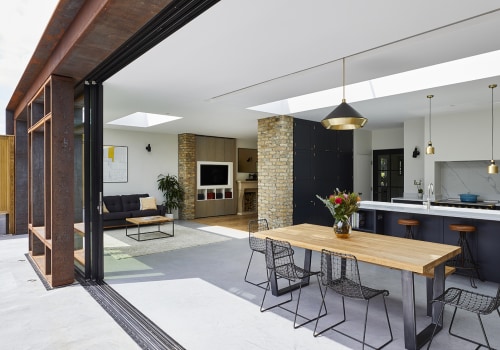
One of the least discussed aspects of home renovation is construction sequencing. Certain interior projects directly affect exterior work, while outdoor improvements may influence access to the home, utility connections, or drainage systems. For example, replacing windows or installing large sliding doors before constructing a patio ensures proper alignment between indoor and outdoor living areas. Likewise, completing major excavation before installing finished landscaping helps avoid unnecessary rework. Experienced contractors coordinate demolition, structural work, utility upgrades, paving, painting, and finishing tasks according to a carefully developed timeline that minimizes interruptions while allowing each trade to complete its work efficiently. Thoughtful sequencing not only improves productivity but also helps reduce the overall project duration.
Coordinating Design Across the Entire Property
Planning renovations simultaneously allows homeowners to establish a consistent architectural style throughout both indoor and outdoor spaces. Flooring transitions, exterior finishes, lighting, landscaping, outdoor kitchens, patios, decks, and swimming pool features can all be selected with a unified design vision in mind. Many homeowners researching backyard improvements may consult resources such as Pool Remodeling Pros' Phoenix Valley guide to gather ideas for integrating pool renovations with broader outdoor living concepts. While these planning resources focus on swimming pool improvements, they also encourage homeowners to consider how outdoor features complement interior renovations. This comprehensive approach creates seamless transitions between living spaces while enhancing both functionality and visual appeal across the property.
Communication Keeps Every Contractor Aligned
Large renovation projects often involve numerous professionals working on different portions of the property, including architects, interior designers, electricians, plumbers, painters, landscapers, paving specialists, and pool contractors. Without consistent communication, scheduling conflicts and unnecessary delays can quickly develop. Successful project coordination depends on clear timelines, regular progress meetings, updated construction schedules, and open communication among every contractor involved. Sharing project milestones allows each trade to prepare materials, allocate labor, and complete work without interfering with other construction activities. Effective coordination also enables homeowners to make timely design decisions that prevent costly changes after installation has already begun.
Comprehensive Planning Creates Better Long-Term Results
Coordinating indoor and outdoor renovation timelines requires additional planning during the early stages of a project, but the long-term benefits often outweigh the initial effort. Well-organized schedules reduce repeated construction disruptions, improve contractor efficiency, and help homeowners complete their renovations sooner than if each project were handled separately. More importantly, integrated planning results in living spaces that feel intentionally connected rather than developed in isolated phases over several years. By considering the home and surrounding landscape as one complete environment, homeowners create stronger design continuity, improve functionality, and maximize the value of every renovation investment. The untold story behind exceptional remodeling projects is not simply outstanding craftsmanship, but the thoughtful coordination of timelines, communication, and planning that allows every indoor and outdoor improvement to work together as a cohesive whole.