Home renovation trends today are increasingly centered around efficiency, sustainability, and long-term performance. Homeowners are no longer just upgrading for aesthetics—they are looking for solutions that improve energy use, water conservation, and overall comfort. This shift has made plumbing and climate control systems a central part of renovation planning. Modern designs now prioritize smart layouts, efficient fixtures, and advanced HVAC technologies that work together to create a more functional living environment. By aligning renovation choices with these systems, homeowners can achieve a balance between style and practicality.
Smart Plumbing Upgrades for Everyday Living
One of the most impactful renovation trends is the integration of smart plumbing solutions. Features such as low-flow fixtures, tankless water heaters, and leak detection systems are becoming standard in modern homes. These upgrades not only conserve water but also reduce utility costs over time. Additionally, thoughtful plumbing layouts—such as centralized water systems—can improve efficiency and reduce heat loss. Working with experienced providers like Abacus Sugar Land ensures that these upgrades are installed correctly and tailored to the home’s specific needs. Incorporating these advanced plumbing solutions during renovations helps create a more sustainable and reliable system that supports daily living.
Enhancing Climate Control with Modern HVAC Systems
Climate control is another key area where renovation trends are evolving. Homeowners are investing in high-efficiency HVAC systems, smart thermostats, and zoning solutions that allow for better temperature management throughout the home. Open floor plans and improved insulation techniques also contribute to more consistent indoor climates. These upgrades not only enhance comfort but also reduce energy consumption, making homes more environmentally friendly. By integrating HVAC improvements into renovation plans, homeowners can create spaces that remain comfortable year-round while minimizing operational costs.
Open Layouts and System Integration
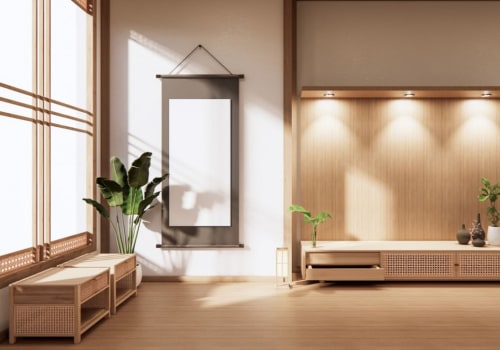
The popularity of open-concept living spaces has also influenced how plumbing and climate control systems are designed. With fewer walls and more interconnected areas, it becomes essential to ensure that air circulation and water distribution are optimized. Renovation trends now focus on seamless system integration, where plumbing and HVAC components are strategically placed to support the layout without disrupting the design. This approach allows for better airflow, efficient heating and cooling, and easier access to plumbing fixtures, all while maintaining a clean and modern aesthetic.
Sustainable Materials and Energy Efficiency
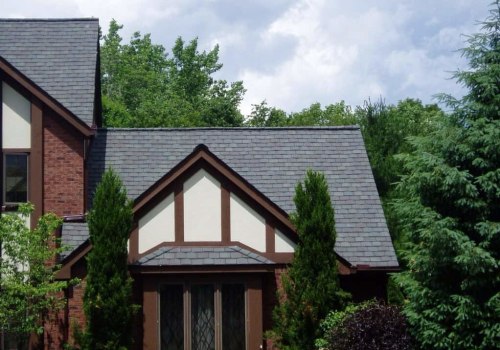
Sustainability is at the forefront of modern home renovations, with homeowners choosing materials and systems that reduce environmental impact. Energy-efficient appliances, eco-friendly building materials, and water-saving technologies all contribute to a greener home. Proper insulation, energy-efficient windows, and reflective roofing materials further enhance climate control performance. These choices not only benefit the environment but also increase the home’s value and appeal. By combining sustainable materials with efficient plumbing and HVAC systems, homeowners can create a space that is both innovative and responsible.
Creating a Future-Ready Home
Ultimately, home renovation trends that complement efficient plumbing and climate control solutions are about preparing homes for the future. By focusing on smart technology, sustainability, and integrated design, homeowners can create spaces that are comfortable, cost-effective, and built to last. These renovations go beyond surface-level improvements, addressing the core systems that support everyday living. With careful planning and the right expertise, it’s possible to achieve a home that not only looks modern but also performs at a high level for years to come.