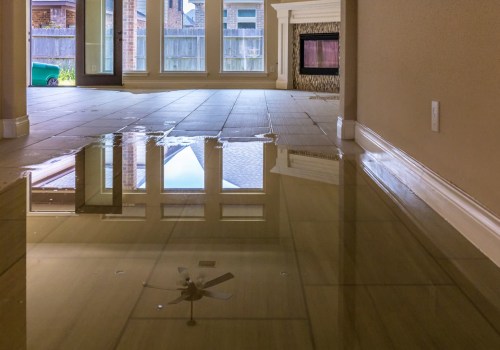
Home renovation projects are often carefully planned with clear timelines, budgets, and expectations. However, water damage can quickly derail even the most organized renovation schedule. Whether caused by a leaking pipe, roof damage, flooding, or hidden moisture behind walls, water intrusion introduces complications that must be addressed before renovation work can safely continue. Ignoring water damage or attempting to build over it can lead to structural problems, mold growth, and costly repairs down the line, making it one of the most disruptive factors in any renovation project.
Immediate Delays and Safety Concerns
When water damage is discovered during a renovation, work typically comes to an immediate halt. Wet materials such as drywall, insulation, flooring, and framing cannot be repaired or replaced until moisture is fully addressed. Safety becomes a top priority, as standing water and damp surfaces increase the risk of electrical hazards, slips, and compromised structural integrity. Contractors must reassess the scope of the project, which often leads to schedule adjustments and temporary shutdowns while damage is evaluated and contained.
The Importance of Proper Assessment and Drying
Accurate assessment is essential for determining how water damage will affect a renovation timeline. Moisture can travel far beyond the visible area, soaking into subfloors, wall cavities, and support structures. Professional restoration services, such as Elevate Pro Water Restoration, use specialized equipment to detect hidden moisture and ensure thorough drying. This process can take days or even weeks, depending on the extent of the damage. Rushing this step may shorten the delay initially, but it greatly increases the risk of future issues that could cause even longer disruptions later.
Mold Prevention and Remediation Delays
One of the most time-sensitive concerns related to water damage is mold growth. Mold can begin developing within 24 to 48 hours in damp environments, especially in enclosed spaces. If mold is discovered, additional remediation steps are required before renovation can proceed. This adds time to the project and may require coordination with inspectors or health professionals. Proper mold prevention and removal are essential for protecting indoor air quality and ensuring the renovated space is safe for occupants.
Changes to Project Scope and Budget
Water damage often reveals previously unknown issues, such as rotted wood, weakened foundations, or outdated plumbing systems. These discoveries can expand the scope of the renovation beyond its original plan. Additional repairs must be approved, materials reordered, and labor rescheduled, all of which contribute to extended timelines. Budget adjustments may also be necessary, as restoration and structural repairs add unexpected costs that were not part of the initial renovation estimate.
Coordination Challenges With Contractors
Renovation projects typically involve multiple trades working in a specific sequence. Water damage disrupts this coordination, as certain tasks cannot proceed until restoration is complete. Delays in one phase often cascade into others, pushing back delivery schedules and availability of subcontractors. Clear communication between homeowners, contractors, and restoration professionals is critical for minimizing confusion and keeping the project moving forward once repairs are complete.
Planning for Resilience and Recovery
While water damage can significantly impact a home renovation timeline, proactive planning and professional restoration help reduce long-term setbacks. Addressing moisture issues thoroughly before resuming construction protects the integrity of the renovation and prevents future delays. By recognizing water damage as a critical factor rather than a minor inconvenience, homeowners can make informed decisions that support safer, more durable renovation outcomes and restore momentum to their projects.