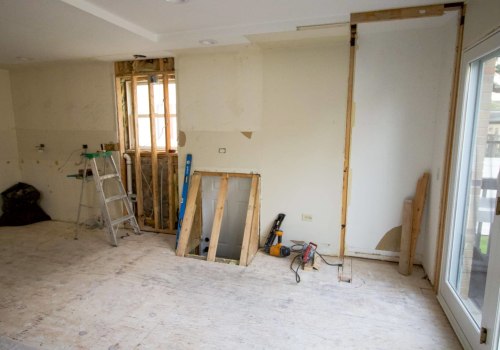
When new drywall is introduced into a space that still holds walls coated with old layers of paint, the interaction between the two materials becomes a hidden battleground of adhesion, texture, and finish consistency. Many homeowners expect fresh drywall to simply blend in with previously painted surfaces once everything is coated—but in practice, the meeting of new and old can cause unexpected issues if not approached with precision. New drywall is porous and highly absorbent, requiring proper sealing before it can hold paint evenly. Old painted surfaces, on the other hand, may be glossy, chalky, flaking, or layered with oil-based coatings that resist adhesion from newer water-based products. When a room contains both, painters must bridge the two with careful preparation, or risk peeling, flashing, and uneven sheen.
Absorption Wars and Surface Memory
One of the most immediate challenges is managing the differing absorption rates between new drywall and old painted areas. Unprimed drywall soaks up paint rapidly, dulling the finish and requiring multiple coats to achieve uniform color and texture. Meanwhile, old paint—especially if it's been exposed to years of sunlight or moisture—can repel paint or absorb it inconsistently depending on the surface’s condition. This creates a visual mismatch called "flashing," where certain sections appear glossier or darker even if the same paint was applied. To prevent this, professional painters use bonding primers and drywall sealers to equalize absorption and prepare both surfaces to receive paint in the same way. Without these steps, even premium paint won’t hide the transition between the new and old.
Adhesion Breakdown and Chemical Legacy
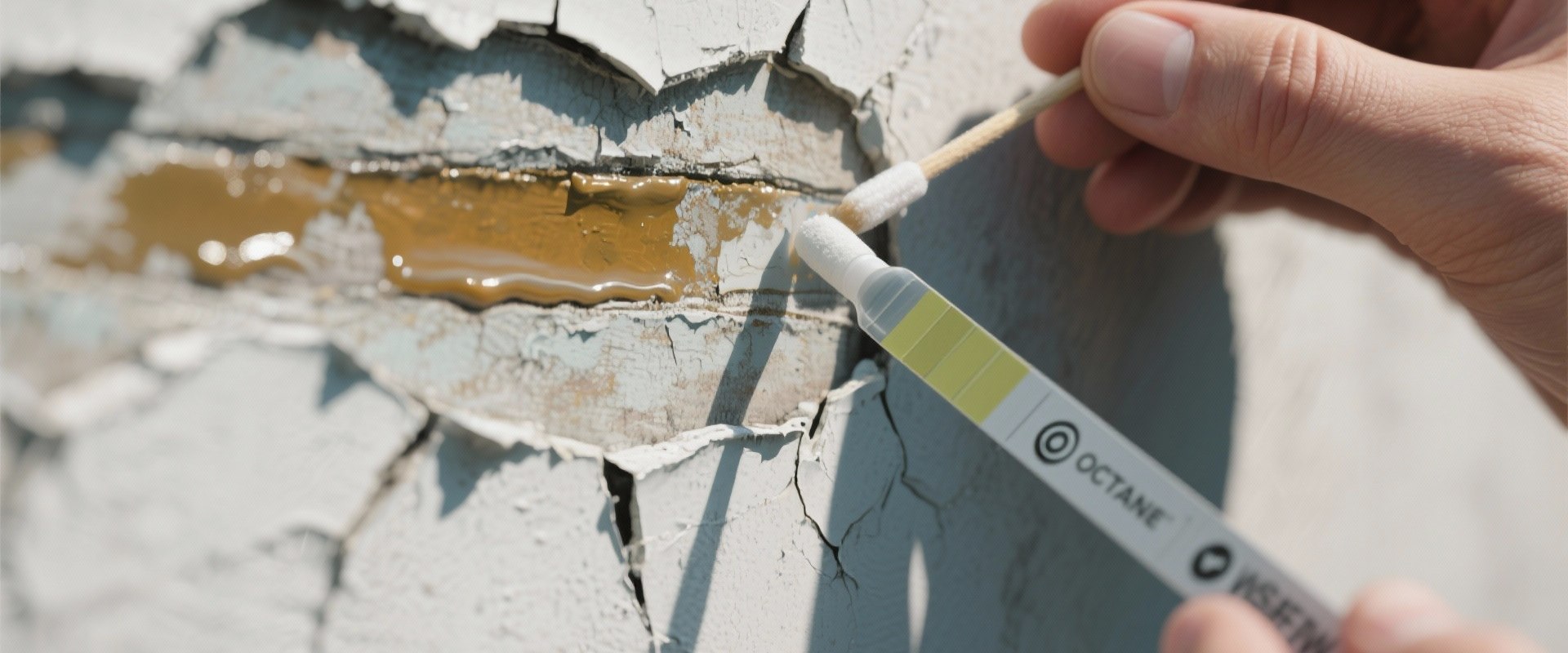
Another concern is how the old paint layer affects adhesion. Many walls painted decades ago used oil-based paint, which doesn’t bond well with modern latex products unless properly sanded or treated. Applying new paint directly on top without prep can result in blistering, flaking, or peeling months later. This is especially risky where new drywall patches are used to repair or extend walls that still hold original finishes. If the transition isn't feathered properly, or if the old paint isn’t deglossed and cleaned of oils and residues, the joint line between old and new becomes visible both visually and structurally. That’s why experienced professionals like a Raleigh house painter are so careful in their surface prep—because they know it’s not just about applying paint, it’s about building compatibility across decades of surface history.
Seamlessness Requires More Than Paint
Matching finishes across old and new drywall also involves physical texture. Skim coating, sanding, and texturing must be done in a way that mimics the look and feel of the surrounding walls. Even a slight variation in texture catches light differently, making the patched area obvious despite color matching. In addition, environmental factors—such as temperature, humidity, and light—can influence how paint dries and cures across different substrates. A wall patched with new drywall might look perfect on day one, but as both materials age and respond to indoor conditions, differences in expansion and moisture retention can cause cracking or ghost lines to appear at the seams.
Ultimately, painting a wall that combines new drywall with old painted surfaces is less about making something “look nice” and more about engineering a stable, compatible finish that will endure. It’s where chemistry, craft, and construction all intersect—and where shortcuts tend to show themselves sooner rather than later.