A newly renovated space represents a significant investment in materials, labor, and design. Whether homeowners have updated a kitchen, bathroom, living area, or entire property, the finished result depends on the underlying structure remaining stable. Foundation settlement or movement can affect floors, walls, ceilings, cabinetry, countertops, and other improvements long after renovation work is complete. When foundation problems are identified and repaired before or during remodeling, homeowners may reduce the risk of structural movement damaging new finishes and forcing recently completed work to be repaired again.
Address Cracks Before Installing New Finishes
Cracks in drywall, masonry, tile, or other surfaces can sometimes indicate that portions of the structure are moving. Simply patching and painting these areas during a renovation may provide only a temporary improvement if the foundation remains unstable. Professionals such as Bats Foundation Repair can evaluate whether structural movement is contributing to visible damage before contractors install new finishes. Correcting the underlying issue first can provide a more stable surface for drywall repairs, paint, tile, trim, and other cosmetic improvements.
Protect New Flooring From Uneven Settlement
Flooring is particularly sensitive to changes in the structure beneath it. Hardwood boards may separate, tile can crack, laminate may develop gaps, and vinyl flooring can become uneven if the subfloor shifts. Sloping or sinking floors can also affect how furniture and appliances sit within a renovated room. Completing necessary foundation repairs before installing new flooring can help create a more consistent base and reduce the likelihood that expensive materials will need premature replacement.
Support Cabinets and Countertops
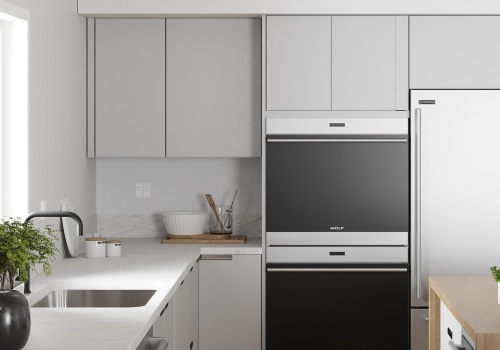
Kitchen and bathroom renovations often include custom cabinetry and heavy countertops that require level, dependable support. Foundation movement can cause cabinets to shift slightly out of alignment, making doors or drawers difficult to operate. Rigid countertop materials may also experience stress if the cabinetry beneath them moves. Structural stabilization before final installation can help contractors achieve more accurate alignment and reduce the risk of cracks, gaps, or separation around newly finished surfaces.
Keep Doors and Windows Properly Aligned
Renovation projects may include new windows, interior doors, or exterior entry systems. These components depend on square openings and stable framing for smooth operation. Foundation settlement can distort openings, resulting in doors that stick or windows that become difficult to open. Addressing significant structural movement before installing replacements allows contractors to measure and fit these features based on the stabilized condition of the building.
Consider Plumbing and Electrical Improvements
Major renovations frequently involve updated plumbing and electrical systems. Structural movement can place stress on pipes, wiring, and connections that pass through walls and floors. If foundation adjustments are expected, completing them first can reduce the chance that newly installed utilities will need to be relocated or repaired afterward. Plumbing systems should also be checked for leaks because excess moisture can contribute to changing soil conditions around the foundation.
Coordinate the Repair Sequence Carefully
The order of construction can have a major impact on the durability of renovated spaces. When foundation problems are present, structural stabilization should generally be considered before final drywall, flooring, cabinetry, tile, and painting work. Contractors can then make any necessary adjustments after the foundation work and complete the cosmetic stages once the building is more stable.
Preserve the Value of the Renovation
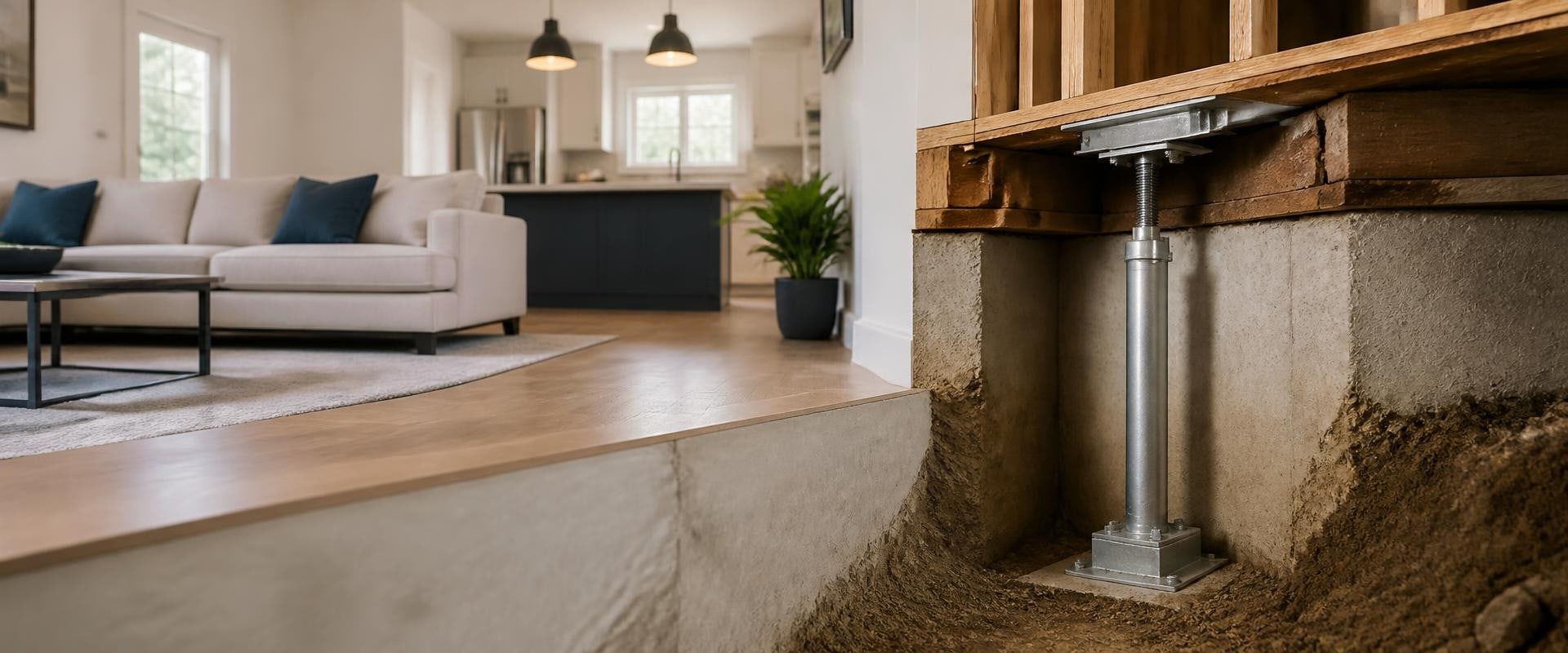
Foundation repair cannot prevent every type of damage that may occur in a renovated home, but addressing known structural movement can eliminate an important source of risk. By stabilizing the structure before installing sensitive finishes, homeowners can protect new materials from avoidable stress and reduce the possibility of costly rework. Coordinating foundation repairs with remodeling plans ultimately helps create renovated spaces that remain attractive, functional, and better supported over the long term.