Home renovations are often imagined as transformative projects—fresh paint, new fixtures, and upgraded layouts that breathe life into a dated property. Yet beneath the excitement lies a quieter, often overlooked reality: renovations can place significant stress on the home’s existing systems. From electrical wiring to plumbing, structural supports, and HVAC components, these systems are rarely designed with future overhauls in mind. When homeowners undertake remodels, they introduce new loads, new patterns of usage, and new operational expectations that can push older infrastructure to its limits.
Electrical and Mechanical Systems Under Pressure
Consider the electrical system. Modern appliances, lighting concepts, and home office technologies demand more amperage than homes built decades ago ever anticipated. Adding recessed lighting or high-performance kitchen equipment may require rewiring entire circuits, and failing to do so can result in tripped breakers or, in worst cases, fire hazards. Similar challenges appear in HVAC systems when new rooms, extensions, or insulation levels interfere with airflow balance. A forced-air furnace calibrated for a three-bedroom layout may struggle once a sunroom or finished basement is added, triggering uneven temperatures, component wear, and higher energy costs.
Plumbing and Structural Considerations
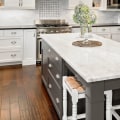
Plumbing also faces renovation stress. Bathrooms and kitchens are the most remodeled spaces in residential buildings, yet their pipes and drains may be old, undersized, or corroded. Adding extra fixtures or relocating them introduces new pipe routing and water velocity issues. Without careful load analysis, water pressure becomes inconsistent, drain paths clog, and leaks emerge inside walls or subfloors. At a structural level, removing walls or adding heavy finishes like stone counters may demand reinforcement. Even when a renovation appears surface-level, vibrations and moisture changes can accelerate wear on framing, sheathing, and fasteners already weakened by age.
Lifestyle Shifts and Maintenance Demands
In addition to mechanical stress, renovations often change how spaces are used. A garage conversion into a home gym or office increases foot traffic, humidity levels, and electrical load in paths that previously remained dormant. Homes that were once easy to maintain become more complex ecosystems that rely on ongoing inspections, filter changes, sealing, and cleaning. This dynamic is especially visible when households adopt high-efficiency appliances or smart-home devices that require firmware updates, periodic calibration, and integration across systems. These demands highlight how renovations transform homes from static structures into evolving platforms.
Hidden Costs and Professional Intervention
Perhaps the most misunderstood aspect of renovation stress is cost escalation tied to deferred maintenance. Many homeowners assume that installing new finishes will mask problems, but in reality the reverse is true: new finishes can amplify system failures. A leaking supply line under a recently tiled bathroom becomes far more expensive to fix than one discovered before remodeling. As a result, specialists—electricians, plumbers, structural engineers, and maintenance experts—play an increasingly important role in protecting a home’s long-term health. In commercial settings, similar principles apply and professional facilities services such as commercial cleaning in Sydney demonstrate how ongoing upkeep supports the viability of upgraded spaces.
Planning for Longevity
To mitigate hidden stress, renovation planning must shift from cosmetic decisions toward holistic system assessments. Pre-construction evaluations, load calculations, and maintenance roadmaps help ensure that every improvement integrates with existing infrastructure instead of overwhelming it. Regular post-renovation checkups are equally important; the first year after a remodel is when mismatches between old and new tend to surface. Ultimately, the true success of a renovation is not only measured in aesthetics, but in how gracefully the upgraded environment supports daily living without compromising the systems that make the home function.