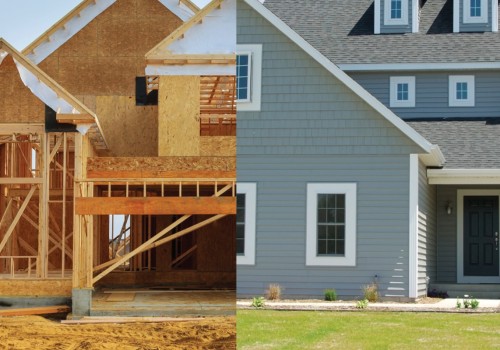
One of the most common home renovation mistakes that can quickly drain a budget is underestimating the real scope of the project. Many homeowners begin with a simple vision—new floors, updated cabinets, or a refreshed exterior—without fully accounting for hidden structural issues, outdated wiring, plumbing surprises, or code upgrades. Once walls are opened or fixtures are removed, unexpected repairs often emerge, forcing costly change orders. The emotional excitement of starting a renovation can lead to rushed planning, skipped inspections, or vague contractor agreements. A detailed assessment before demolition begins is critical. Clear blueprints, written contracts, and itemized budgets create realistic expectations and protect against financial shock. Renovations rarely stay confined to the surface layer; what lies underneath often determines the final cost. When planning fails to include contingency funds, even minor surprises can spiral into major setbacks that halt progress and inflate expenses.
Chasing Trends Instead of Long-Term Value
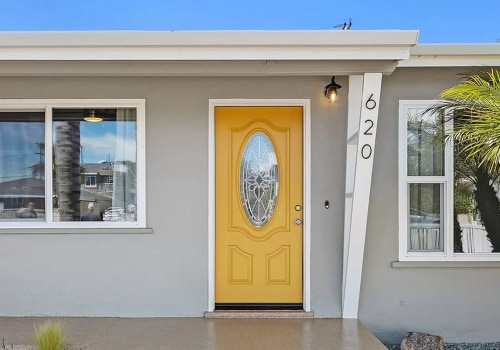
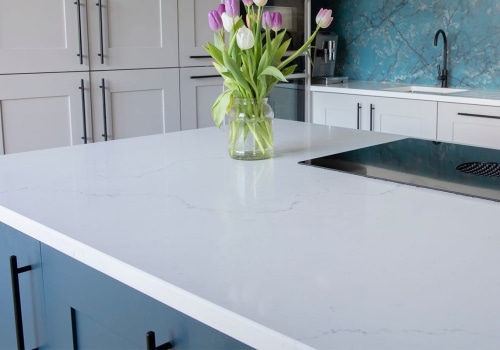
Another expensive misstep is prioritizing short-lived design trends over durable, functional upgrades. Trend-driven decisions may look appealing today but can age quickly, requiring another renovation sooner than expected. Homeowners sometimes overspend on luxury finishes while neglecting essential improvements that add structural value. A smart renovation balances style with practicality. Investments in insulation, roofing, windows, or systems upgrades often deliver greater long-term savings than flashy cosmetic choices. The temptation to upgrade every detail can push a project far beyond its initial budget. Carefully distinguishing between wants and needs helps prevent financial overreach. For example, allocating funds to essential exterior improvements like garage door repair and installation in Lexington, KY can protect property value and energy efficiency, whereas purely decorative upgrades may offer little return. Renovation success comes from strategic spending that supports both aesthetics and longevity.
Hiring the Wrong Contractor
Selecting the cheapest contractor without proper vetting is a mistake that frequently results in ballooning costs. Low bids often signal shortcuts in materials, labor quality, or project management. Poor craftsmanship can lead to rework, delays, and disputes that end up costing far more than hiring a reputable professional from the start. A qualified contractor provides transparent estimates, timelines, and references. Homeowners who skip background checks or fail to review previous work risk entrusting their investment to inexperienced hands. Communication is equally important; unclear expectations breed misunderstandings that trigger budget creep. Renovations succeed when both parties share documented goals and accountability. Paying more upfront for reliability often prevents expensive corrections later.
Ignoring Permits and Regulations
Attempting to bypass permits to save time or money is another renovation pitfall with serious financial consequences. Building codes exist to ensure safety and structural integrity. Unpermitted work can result in fines, forced demolition, insurance issues, and complications during resale. Many homeowners only discover these risks when they try to sell their property and inspections reveal unauthorized changes. Correcting noncompliant work is usually far more expensive than following regulations from the beginning. Permits also protect homeowners by requiring inspections that catch mistakes early. Compliance is not an obstacle; it is a safeguard against hidden liabilities that could destroy a renovation budget.
Failing to Plan for the Unexpected
Even the most organized renovation faces surprises, which is why failing to maintain a contingency reserve is one of the biggest financial mistakes. Industry professionals recommend setting aside 10–20% of the total budget for unexpected expenses. Without this cushion, homeowners may resort to high-interest loans or abandon projects midway. Stress from financial strain can also pressure rushed decisions that compound mistakes. A flexible budget acknowledges the unpredictable nature of construction while preserving momentum. Renovations should enhance a home, not create long-term financial regret. Thoughtful planning, realistic expectations, and disciplined spending transform renovations from risky ventures into controlled investments that improve both lifestyle and property value.