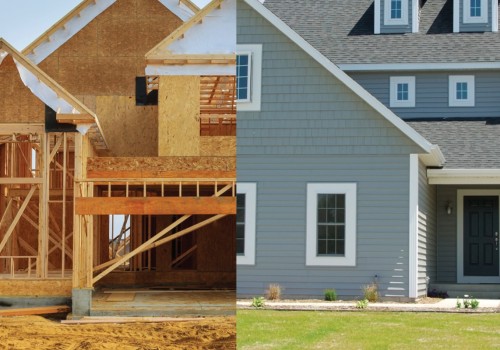
A home renovation begins with careful planning and design, which sets the tone for the entire project. During this phase, homeowners define their goals, establish a budget, and work with designers or contractors to create a clear vision. Floor plans, material selections, and timelines are finalized to ensure that every detail is accounted for before construction starts. This stage is also when permits are secured and any necessary inspections are scheduled. Taking the time to plan thoroughly helps prevent unexpected issues later and ensures that the renovation aligns with both functional needs and aesthetic preferences.
Demolition and Preparation
Once planning is complete, the renovation moves into the demolition and preparation phase. This involves removing old materials, clearing out spaces, and preparing the structure for new construction. Walls, flooring, fixtures, and outdated systems may be taken out to make way for upgrades. While this stage can be messy and disruptive, it is essential for creating a clean slate. Proper preparation also includes inspecting the exposed areas for hidden issues such as water damage or structural concerns, allowing them to be addressed before moving forward.
Structural and System Upgrades
After demolition, the focus shifts to structural work and system upgrades. This phase includes framing adjustments, electrical rewiring, plumbing updates, and HVAC improvements. These foundational elements are critical to the functionality and safety of the home. Working with experienced professionals, such as trusted providers like Berkeys, ensures that these systems are installed correctly and meet current building codes. Inspections are typically conducted during this stage to verify that all work complies with regulations before proceeding to the next phase.
Interior and Exterior Installation
With the core systems in place, the renovation progresses to the installation phase. This includes adding insulation, drywall, flooring, cabinetry, and fixtures, as well as completing exterior elements such as siding or roofing if needed. During this stage, the home begins to take shape, and the design vision becomes more tangible. Attention to detail is important to ensure that all components are installed properly and align with the overall plan. This phase requires coordination among different trades to keep the project on schedule.
Finishing Touches and Detailing
The finishing phase focuses on the final details that bring the renovation together. Painting, trim work, lighting installation, and hardware placement are completed to enhance the appearance and functionality of the space. This stage is where the home truly transforms, with each element contributing to a polished and cohesive look. Quality craftsmanship and attention to detail are essential to achieving a professional finish that meets expectations.
Final Inspections and Walkthrough
Before the renovation is considered complete, final inspections and a walkthrough are conducted. Inspectors verify that all work meets local building codes and safety standards, while homeowners review the completed project to ensure that it aligns with their expectations. Any remaining adjustments or touch-ups are addressed during this phase. This step provides an opportunity to confirm that everything is functioning properly and that the renovation has been successfully completed.
Moving Back In and Enjoying the Results
The final phase of a home renovation is moving back into the updated space and enjoying the results. After weeks or months of planning and construction, homeowners can experience the benefits of their investment. Understanding each phase of the renovation process helps set realistic expectations and ensures a smoother journey from start to finish, resulting in a home that is both functional and visually appealing.