Renovating an older home can be an exciting opportunity to restore character, improve functionality, and modernize aging spaces, but these projects often uncover structural issues that were hidden for decades behind walls, ceilings, and flooring systems. Many homeowners begin renovation projects focused on cosmetic improvements such as updated kitchens, new flooring, or expanded living spaces without realizing that older homes may contain underlying structural concerns that require attention before remodeling can safely continue. Once demolition begins or old materials are removed, contractors frequently discover signs of water damage, weakened framing, outdated construction methods, foundation movement, or deteriorated support systems that were not visible during initial walkthroughs.
One of the most common hidden issues found during older home renovations is long-term moisture damage. Roof leaks, poor ventilation, outdated drainage systems, or plumbing failures may have allowed water to slowly penetrate structural materials for years without producing major visible symptoms inside the living space. Wood framing, subfloors, insulation, and support beams can gradually weaken when exposed to repeated moisture over time. In some homes, layers of previous repairs or cosmetic coverings may hide these conditions until walls or ceilings are opened during renovation work. What initially appears to be a straightforward remodeling project can quickly expand into structural repair work once hidden deterioration is exposed.
Roofing, Ventilation, and Moisture-Related Structural Damage
Roofing systems are often closely connected to the structural problems discovered during older home renovations. Aging shingles, deteriorated flashing, poor attic ventilation, or outdated roof designs may have allowed moisture intrusion to develop gradually over many years. Water entering through the roof can travel through attic spaces, wall cavities, and framing systems before eventually affecting floors, ceilings, and interior finishes. Because moisture often spreads silently behind finished surfaces, homeowners may not realize the extent of the damage until renovation work begins removing drywall, insulation, or trim.
Attic conditions frequently reveal additional structural concerns as well. Poor ventilation in older homes can trap heat and humidity beneath the roof, contributing to condensation, wood rot, mold growth, and weakened structural supports over time. Roofing professionals are often involved in renovation projects because correcting moisture-related issues at the roof level is essential for protecting any new remodeling work completed inside the home. A company such as A1 Roofing Services Mason City may inspect attic ventilation, roof decking, flashing systems, and drainage performance when older homes show signs of hidden structural deterioration connected to long-term moisture exposure.
Foundation Movement and Outdated Construction Methods
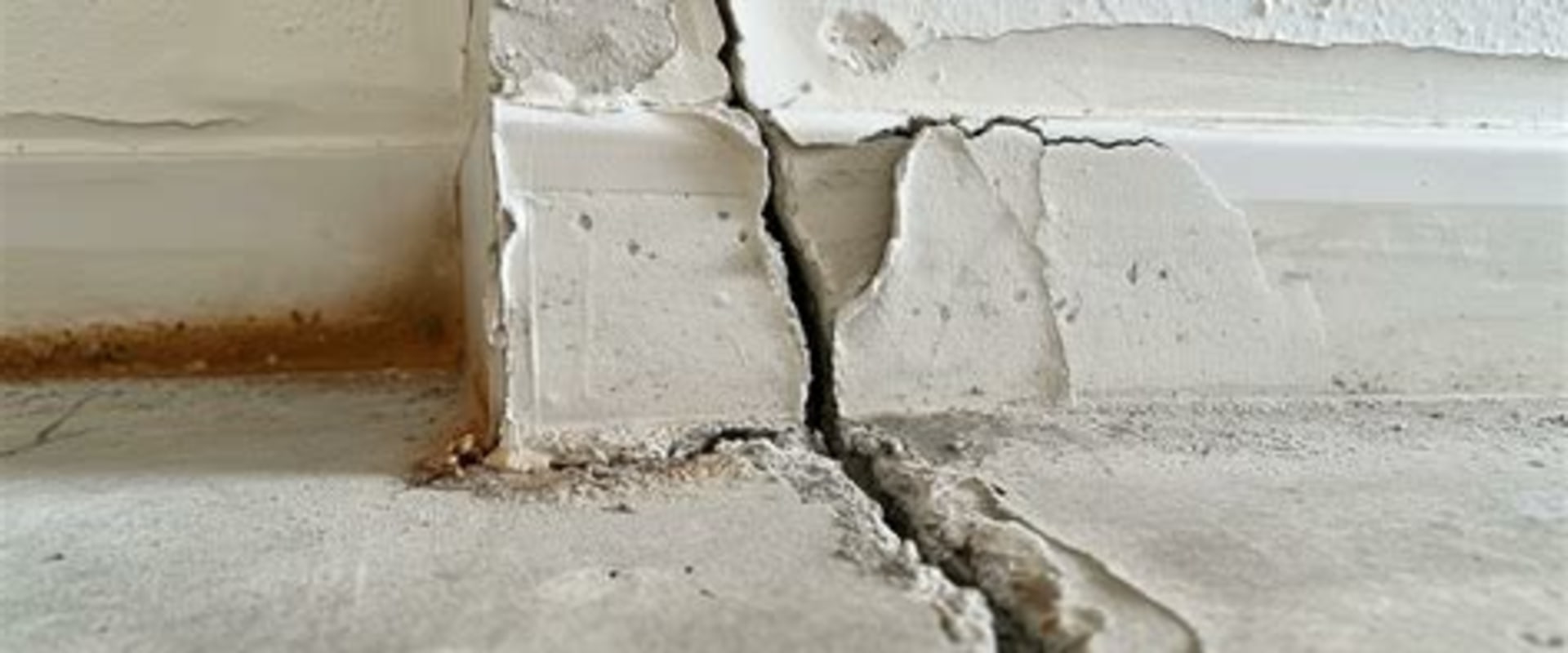
Another issue commonly uncovered during older home renovations is foundation movement or settling. Over decades, shifting soil, poor drainage, or changing moisture conditions around the property may cause gradual structural movement that affects floors, walls, windows, and support systems. Homeowners may notice sloping floors, cracked plaster, sticking doors, or uneven framing only after renovation work begins exposing the original structure. In some cases, previous owners may have performed temporary cosmetic repairs that concealed deeper structural instability rather than fully resolving the underlying issue.
Older construction methods themselves can also create renovation challenges. Homes built decades ago may contain undersized support beams, outdated electrical systems, aging plumbing materials, or framing techniques that no longer meet modern building standards. Contractors often need to reinforce or modify structural systems to safely support new layouts, heavier materials, or updated mechanical systems introduced during renovation projects. Load-bearing walls, roof framing, and floor systems may require upgrades once the full condition of the structure becomes visible.
Despite these challenges, uncovering hidden structural issues during renovation projects can ultimately help protect the long-term safety and value of the home. Addressing moisture damage, roofing vulnerabilities, ventilation problems, and weakened framing early allows homeowners to create a more stable foundation for future improvements. While unexpected repairs may increase renovation costs and timelines, resolving these underlying problems helps ensure that cosmetic upgrades are supported by structurally sound systems capable of lasting for many years. Older homes often carry hidden stories within their walls and roof structures, and renovation projects frequently provide the first opportunity to uncover and properly correct those long-standing structural concerns.